Types of Transport Vehicles Used in European Logistics
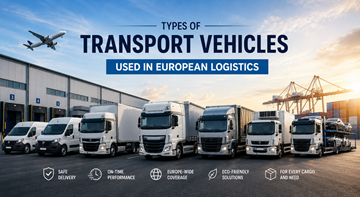
In this guide, we explain the most common transport vehicle types used across Europe, how they work, what cargo they transport, and when businesses or private customers should choose them.
Why Transport Vehicle Types Matter
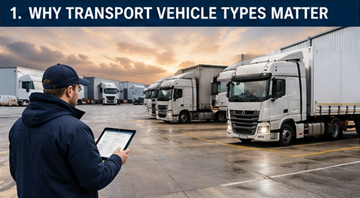
Different cargo requires different transport solutions. A small package delivery inside a city does not need the same vehicle as heavy industrial machinery transported across Europe. Vehicle size, weight capacity, loading method, temperature control, and route accessibility all influence the choice of transport vehicle.
- Improves delivery efficiency
- Reduces transport costs
- Increases cargo safety
- Optimizes fuel consumption
- Helps comply with transport regulations
- Ensures proper loading capacity
- Supports international logistics operations
Using the wrong vehicle may lead to delivery delays, damaged cargo, higher fuel expenses, loading problems, or legal transport issues. This is why professional logistics companies carefully select vehicles based on shipment type and delivery requirements.
Small Delivery Vans
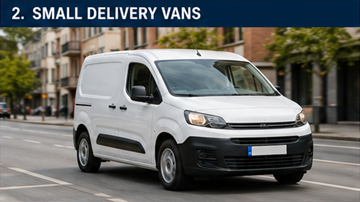
Small delivery vans are one of the most common vehicle types used in European logistics. They are ideal for local deliveries, express shipments, courier services, and small cargo transport.
- Fast and flexible for city transport
- Lower fuel consumption
- Easy parking and urban access
- Ideal for parcels and small pallets
- Frequently used for same-day delivery
These vehicles are commonly used by courier companies, e-commerce businesses, technicians, and express delivery providers. Small vans are especially useful in urban environments where larger trucks cannot easily operate.
Medium Cargo Vans
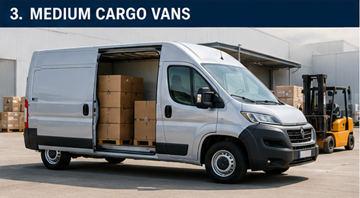
Medium cargo vans provide more loading space and payload capacity than compact delivery vans. They are widely used for regional logistics and business deliveries.
- Suitable for multiple pallets
- Used for regional transport
- Good balance between size and efficiency
- Popular among transport companies
- Often used for B2B deliveries
Medium vans are flexible enough for both city and highway transport, making them one of the most practical logistics vehicles in Europe.
High Roof and Long Wheelbase Vans
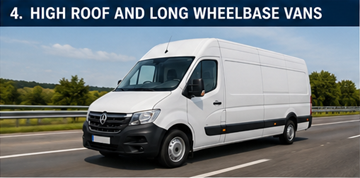
High roof and long wheelbase vans are designed for larger cargo volumes while maintaining the flexibility of a van. These vehicles are frequently used for international express transport and urgent deliveries.
- Higher cargo capacity
- Suitable for bulky shipments
- Can transport tall cargo
- Popular for international transport
- Efficient alternative to small trucks
This vehicle type is commonly used for furniture transport, commercial equipment, event logistics, and urgent cross-border deliveries.
Box Trucks
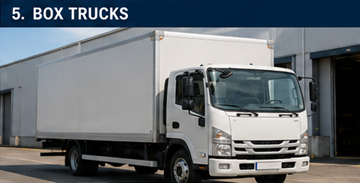
Box trucks are enclosed transport vehicles with a large cargo box mounted behind the driver's cabin. They offer excellent cargo protection and are widely used in retail logistics and distribution.
- Protected enclosed cargo area
- Ideal for furniture and electronics
- Common in distribution logistics
- Easy loading and unloading
- Suitable for medium-distance transport
Many businesses use box trucks for deliveries between warehouses, shops, and distribution centers.
Curtainsider Trucks

Curtainsider trucks are among the most popular freight vehicles in Europe. Their side curtains can be opened for fast loading and unloading using forklifts.
- Fast side loading access
- Efficient pallet transport
- Used for international freight
- Suitable for industrial cargo
- Flexible loading operations
Curtainsider trucks are heavily used in FTL and LTL logistics because they support fast loading processes and high transport efficiency.
Semi-Trailers
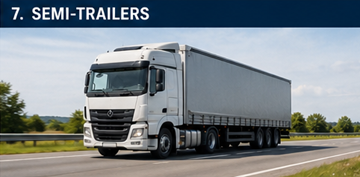
Semi-trailers are essential for long-distance freight transport across Europe. They are designed to carry large cargo volumes and heavy shipments efficiently.
- Very high cargo capacity
- Ideal for long-distance transport
- Common for international logistics
- Used in FTL operations
- Supports industrial freight transport
Semi-trailers are commonly used for transporting pallets, machinery, retail goods, automotive parts, and construction materials.
Refrigerated Transport Vehicles
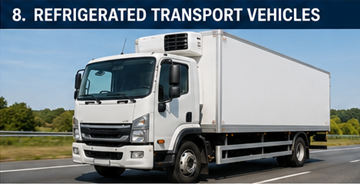
Refrigerated vehicles maintain controlled temperatures during transport. They are critical for food logistics, pharmaceutical transport, and temperature-sensitive cargo.
- Temperature-controlled transport
- Used for frozen and fresh products
- Essential for pharmaceutical logistics
- Protects sensitive cargo
- Supports international cold chain logistics
These vehicles help maintain product quality and comply with European food and pharmaceutical safety regulations.
Flatbed Trucks
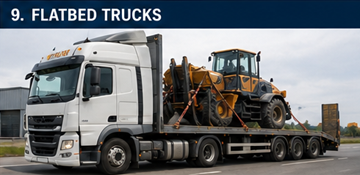
Flatbed trucks are open transport vehicles designed for oversized or irregularly shaped cargo. They are widely used in construction, industrial transport, and machinery logistics.
- Easy loading from multiple sides
- Suitable for oversized cargo
- Used for machinery transport
- Common in construction logistics
- Ideal for heavy equipment
Cargo transported on flatbeds usually requires secure fastening and additional safety measures during transport.
Vehicle Transporters
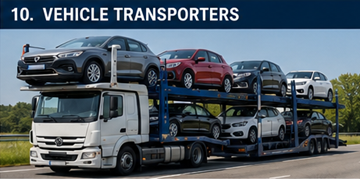
Vehicle transporters are specialized trucks used for transporting cars, vans, motorcycles, and commercial vehicles.
- Designed specifically for vehicle transport
- Supports multiple vehicle loading
- Used by dealerships and logistics companies
- Protects vehicles during transport
- Common in international car transport
Vehicle transporters are widely used in the automotive industry for moving vehicles between factories, dealerships, ports, and customers.
How to Choose the Right Transport Vehicle
Selecting the right transport vehicle depends on several important factors related to the cargo and delivery requirements.
- Analyze cargo dimensions and weight
- Determine whether temperature control is required
- Check loading and unloading conditions
- Consider delivery speed requirements
- Evaluate transport distance
- Review road and access limitations
- Calculate transport budget
- Choose the most efficient vehicle category
Professional logistics planning improves operational efficiency and helps avoid unnecessary transport costs.
Future of Transport Vehicles in Europe
The European logistics industry is rapidly evolving with new vehicle technologies focused on sustainability, efficiency, and automation.
- Electric delivery vans
- Low-emission trucks
- Smart fleet management systems
- Autonomous logistics technologies
- Improved fuel efficiency
- Eco-friendly transport solutions
As environmental regulations become stricter, transport companies are investing in greener and more efficient vehicle fleets.
Conclusion
Transport vehicles play a critical role in European logistics and supply chain operations. From small courier vans to large semi-trailers, every vehicle type serves a specific purpose in cargo transportation. Understanding the differences between vehicle categories helps businesses, carriers, and customers choose the most efficient and cost-effective transport solution.
Whether you need express delivery, refrigerated transport, heavy cargo logistics, or international freight transport, selecting the right vehicle is essential for successful logistics operations.
Frequently Asked Questions
What is the most common transport vehicle in Europe?
Cargo vans and semi-trailer trucks are among the most commonly used transport vehicles in European logistics.
What vehicle is best for express delivery?
Small delivery vans and medium cargo vans are typically the best choice for express and urgent deliveries.
What is a curtainsider truck?
A curtainsider truck is a freight vehicle with flexible side curtains that open for fast loading and unloading.
Why are refrigerated vehicles important?
Refrigerated vehicles maintain controlled temperatures for food, medicine, and other temperature-sensitive products during transport.
What vehicle is used for heavy cargo?
Heavy cargo is commonly transported using flatbed trucks, heavy-duty trucks, or semi-trailers.
Which vehicle is best for international logistics?
Semi-trailers and long wheelbase vans are commonly used for international transport across Europe.
What factors influence vehicle selection in logistics?
Cargo size, weight, delivery speed, route accessibility, temperature requirements, and budget all influence transport vehicle selection.
Are electric logistics vehicles becoming popular in Europe?
Yes. Many logistics companies are investing in electric vans and low-emission trucks to reduce environmental impact and comply with European regulations.
eXus Dev