Freight and Vehicle Insurance Documents Explained
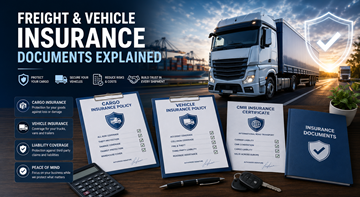
In this guide, we explain the most important freight and vehicle insurance documents used in logistics, how they work, what they cover, and why they are essential for safe and professional transport operations.
Why Is Insurance Important in Transport?
Transport operations involve multiple risks including road accidents, cargo theft, damaged goods, delays, fire, weather conditions, and liability disputes. Insurance helps protect carriers, drivers, customers, and logistics companies from major financial losses.
- Protects cargo during transport
- Covers vehicle damage and accidents
- Reduces financial risk for carriers
- Supports legal and liability claims
- Improves trust between transport partners
Without proper insurance coverage, even a single accident or damaged shipment can create serious operational and financial problems for logistics companies and transport providers.
What Is Freight Insurance?
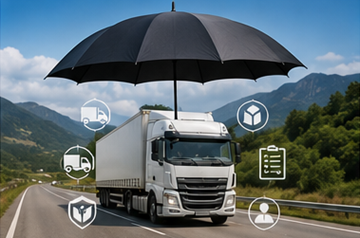
Freight insurance is designed to protect transported goods against loss, theft, or damage during transport. It applies to domestic and international shipments across road, sea, rail, and air transport.
- Protects cargo value
- Covers damaged or lost goods
- Applies to multiple transport methods
- Used in domestic and international freight
- Important for high-value shipments
Freight insurance is especially important for expensive cargo, electronics, machinery, pharmaceuticals, food products, and fragile goods transported over long distances.
What Is Cargo Insurance?
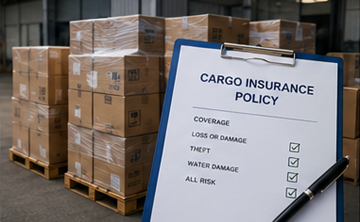
Cargo insurance specifically covers the goods being transported. It protects the shipment owner against financial loss if the cargo is damaged, stolen, or destroyed.
- Covers physical goods during transport
- Protects against theft and damage
- Often used in international shipping
- Can include warehouse storage coverage
- Useful for import and export operations
Many companies require cargo insurance for international shipments because standard carrier liability coverage may not fully compensate the real cargo value.
Freight Insurance vs Cargo Insurance: What Is the Difference?
The terms freight insurance and cargo insurance are often used interchangeably in logistics and transport. Both mainly focus on protecting goods during shipment, but there can be small differences depending on the insurance provider and policy structure.
Cargo insurance usually refers specifically to protection for the physical goods being transported. Freight insurance is sometimes used as a broader commercial term that may include additional transport-related risks, freight charges, or logistics costs.
- Cargo insurance focuses mainly on the goods themselves
- Freight insurance may include broader transport-related coverage
- Both protect shipments against damage or loss
- Commonly used in international logistics
- Often treated similarly in commercial transport
In practice, many logistics companies and insurers use both terms to describe shipment protection during transport operations. However, it is always important to carefully review the exact insurance coverage, liability limits, and policy conditions before transporting valuable cargo.
What Is CMR Insurance?
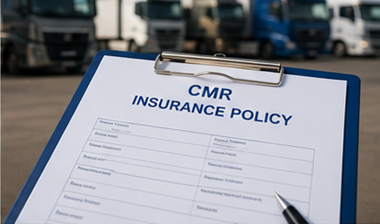
CMR insurance is carrier liability insurance used in international road freight transport under the CMR Convention. It protects carriers against claims for cargo loss, damage, or delivery delays.
- Used in international road transport
- Protects carrier liability
- Based on the CMR Convention
- Supports compensation claims
- Important for professional carriers
CMR insurance does not always cover the full cargo value, which is why additional cargo insurance may still be recommended for valuable shipments.
Vehicle Insurance in Logistics
Vehicle insurance protects trucks, vans, trailers, and commercial transport vehicles against accidents, collisions, fire, theft, and other damages.
- Protects transport vehicles
- Covers accidents and collisions
- Includes theft and fire protection
- Required for commercial vehicles
- May include roadside assistance
Transport companies often use fleet insurance policies covering multiple trucks, trailers, and drivers under one insurance agreement.
Trailer and Fleet Insurance
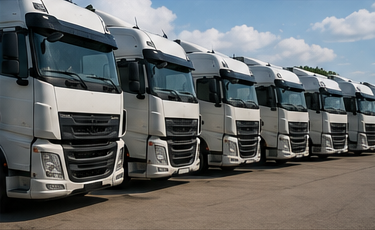
Fleet insurance allows logistics companies to insure multiple vehicles under one policy. Trailer insurance protects semi-trailers and transport equipment used in freight operations.
- Insurance for multiple vehicles
- Simplifies fleet management
- Protects transport equipment
- Common for logistics companies
- Can reduce insurance costs
Fleet insurance is widely used by transport companies operating large numbers of trucks and drivers across Europe.
What Do Insurance Documents Contain?
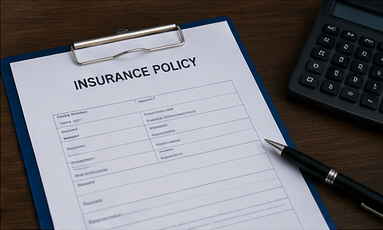
Insurance documents contain detailed information about the insured cargo, vehicles, liability limits, coverage conditions, and policy validity.
- Insurance policy number
- Insured company details
- Coverage type and limits
- Vehicle or cargo information
- Validity dates
- Claim and liability conditions
These documents may be requested during customs checks, customer audits, transport disputes, or insurance claims related to damaged goods.
When Are Insurance Documents Required?
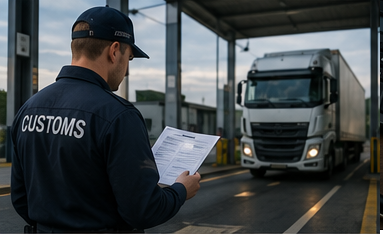
Insurance documents may be required before transport begins, during customs inspections, after accidents, or when customers request proof of insurance coverage.
- During customs procedures
- Before high-value shipments
- After accidents or cargo damage
- For customer verification
- During legal or liability disputes
Professional transport companies often provide insurance certificates to customers before accepting expensive or sensitive shipments.
Digital Insurance Documents in Logistics
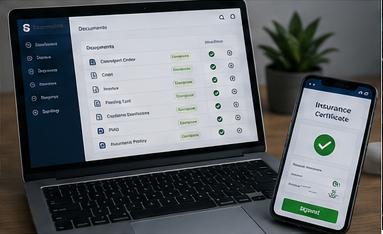
Modern logistics platforms increasingly use digital insurance documentation integrated with transport orders, e-CMR systems, invoices, and shipment tracking.
- Online document access
- Digital storage and verification
- Integrated with logistics systems
- Easy sharing with customers
- Real-time document management
Digital insurance documents improve operational efficiency and allow carriers and customers to access important information instantly during transport operations.
Common Insurance Mistakes in Transport

Many transport disputes and financial losses occur because companies misunderstand their insurance coverage or fail to maintain proper documentation.
- Insufficient cargo coverage
- Expired insurance policies
- Missing insurance documents
- Incorrect declared cargo value
- Assuming CMR insurance covers everything
Understanding exactly what each insurance policy covers is essential for avoiding unexpected financial losses during transport operations.
FAQ: Freight and Vehicle Insurance Documents
What is the difference between cargo insurance and CMR insurance?
Cargo insurance protects the value of the goods themselves, while CMR insurance protects the carrier against liability claims under the CMR Convention.
Is freight insurance mandatory?
Freight insurance is not always legally mandatory, but it is highly recommended, especially for expensive or sensitive cargo.
Does vehicle insurance cover cargo?
No. Standard vehicle insurance usually covers the truck or vehicle itself, not the transported goods.
Why do customers request insurance documents?
Customers may request proof of insurance to verify that the shipment is protected against potential damage, theft, or liability risks.
Can insurance documents be digital?
Yes. Many logistics companies now use digital insurance certificates integrated with online transport management systems.
What happens if cargo value exceeds CMR liability limits?
If cargo value exceeds standard CMR liability limits, additional cargo insurance may be required to fully protect the shipment.
What is fleet insurance?
Fleet insurance is a policy that covers multiple commercial vehicles under one insurance agreement.
When are insurance documents checked?
Insurance documents may be checked during customs inspections, transport audits, accidents, or customer verification procedures.
eXus Dev