How Are Transport Costs Calculated in Europe?
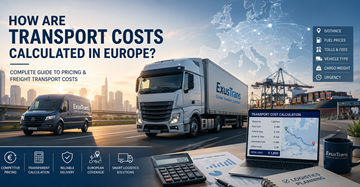
Whether you are booking an express van, full truck load, pallet delivery, or international transport service, understanding how pricing works helps you avoid unnecessary costs and choose the right logistics solution. In this guide, we explain how transport costs are calculated in Europe and what affects the final delivery price.
What Determines Transport Costs?
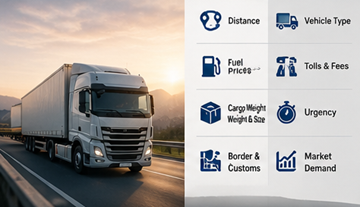
Transport prices are usually calculated based on operational expenses and delivery complexity. Every shipment is different, which means the final price can vary depending on the route, cargo type, urgency, and vehicle required for transport.
Professional carriers and logistics companies calculate transport costs by combining direct expenses with operational risks and profit margins. International transport across Europe also includes additional variables such as toll systems, border delays, and driving restrictions.
- Pickup and delivery distance
- Vehicle category and loading capacity
- Fuel prices and fuel consumption
- Road tolls and tunnel fees
- Driver working hours
- Cargo weight and dimensions
- Urgency of delivery
- Border crossing requirements
- Ferry or customs costs
- Seasonal market demand
Distance and Route Calculation
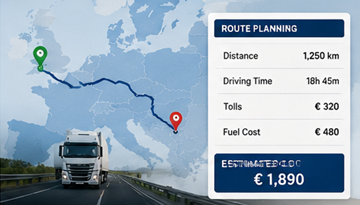
Distance is one of the most important pricing elements in road transport. Logistics companies usually calculate pricing based on kilometers between pickup and delivery locations. However, the shortest route is not always the cheapest or fastest option.
Modern logistics systems use digital route planning tools to estimate realistic transport distances and driving times. Factors such as traffic, road restrictions, low-emission zones, ferries, and toll roads can change the final transport route.
- Highway routes are usually faster but may include tolls
- Urban deliveries often increase driving time
- Mountain and remote regions may increase fuel usage
- International routes may require rest stops and border checks
- Longer distances usually reduce cost per kilometer
Vehicle Type and Transport Capacity
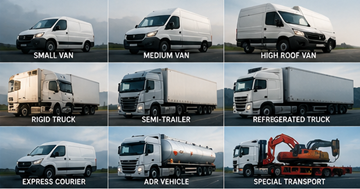
The type of vehicle used for transport has a major effect on pricing. Small vans are cheaper for urgent deliveries and lightweight cargo, while large trucks and semi-trailers are required for heavy industrial shipments.
Larger vehicles have higher operating costs because they consume more fuel, require professional licenses, and often pay higher toll fees. However, they can transport larger quantities, making them more cost-efficient for bulk shipments.
- Motorbike couriers for small urgent parcels
- Cars and small vans for local delivery
- Medium vans for express transport
- High roof vans for bulky cargo
- Rigid trucks for pallet transport
- Semi-trailers for full truck load shipments
- Refrigerated trucks for temperature-sensitive goods
- ADR vehicles for dangerous goods transport
Fuel Prices and Operating Expenses
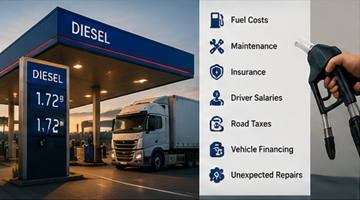
Fuel is one of the largest operational expenses in road freight transport. Diesel prices directly affect delivery costs across Europe. When fuel prices rise, transport companies usually adjust their freight rates to maintain profitability.
Besides fuel, carriers must also cover maintenance, insurance, tires, taxes, parking, fleet management, and vehicle depreciation. These operational expenses are included in transport pricing calculations.
- Diesel price fluctuations
- Vehicle maintenance costs
- Insurance and road taxes
- Driver salaries and accommodation
- Fleet management systems
- Vehicle leasing or financing
- Unexpected repair costs
Road Tolls, Ferries, and Border Costs
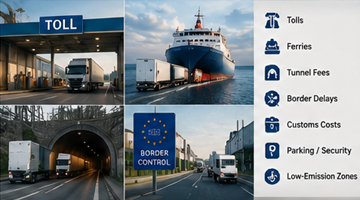
International transport in Europe often includes additional costs beyond distance and fuel. Many European countries use toll systems that charge trucks based on distance, emissions class, or vehicle weight.
Some international routes also require ferry crossings, tunnel fees, customs processing, or border waiting times. These expenses are usually added separately to the transport price.
- Highway toll systems
- Tunnel and bridge fees
- Ferry transport charges
- Border waiting times
- Customs clearance costs
- Parking and secure truck stops
- Low-emission zone charges
Express Delivery vs Standard Freight Pricing
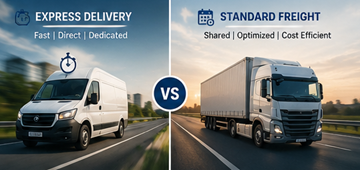
Express transport services are usually more expensive because the vehicle drives directly from pickup to delivery with minimal stops or cargo sharing. Standard freight transport is often cheaper because carriers combine multiple shipments in one route.
Urgent transport requests also reduce route optimization possibilities for carriers, increasing operational costs. Dedicated express vehicles are often reserved for time-critical deliveries, production parts, or urgent business shipments.
- Express delivery prioritizes speed
- Dedicated vehicles increase costs
- Groupage transport reduces pricing
- FTL transport offers direct shipment
- LTL transport shares vehicle space
- Urgent weekend transport costs more
How Weight and Cargo Dimensions Affect Pricing
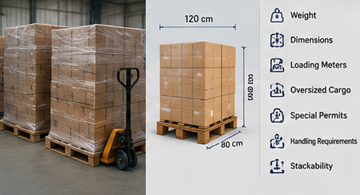
Large and heavy shipments require more loading space and fuel consumption. Oversized cargo may also require special permits, escort vehicles, or route planning, increasing transport costs significantly.
Transport companies also consider loading efficiency when pricing shipments. Cargo that occupies large space but weighs little may still generate higher costs because it reduces available vehicle capacity.
- Pallet dimensions
- Total shipment weight
- Loading meter usage
- Oversized cargo permits
- Fragile goods handling
- Stackability limitations
- Special loading equipment
Seasonal and Market Factors
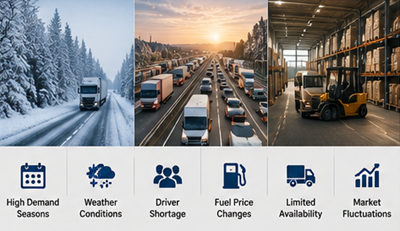
Transport pricing changes throughout the year depending on demand and market conditions. During busy periods such as holidays, winter seasons, or industrial peaks, freight prices often increase because vehicle availability becomes limited.
Economic conditions, fuel prices, driver shortages, and supply chain disruptions can also affect transport rates across Europe.
- Holiday shipping peaks
- Winter weather disruptions
- Driver shortages
- Industrial production increases
- Fuel market volatility
- International trade fluctuations
- Limited vehicle availability
How Businesses Reduce Transport Costs
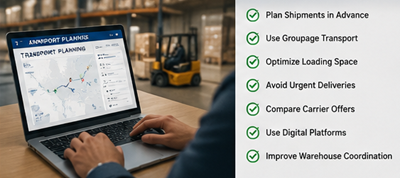
Businesses can reduce logistics expenses by improving planning and choosing the right transport solutions. Efficient shipment organization helps lower operational costs and improves delivery performance.
Combining shipments, using optimized routes, and planning deliveries in advance are some of the most common ways companies reduce freight costs.
- Plan shipments in advance
- Use groupage transport when possible
- Optimize pallet loading
- Avoid urgent last-minute deliveries
- Compare carrier offers
- Reduce empty transport space
- Use digital transport platforms
- Improve warehouse coordination
Conclusion
Transport costs in Europe are influenced by many operational and logistical factors. Distance, vehicle type, fuel prices, tolls, cargo dimensions, and delivery urgency all play important roles in determining the final freight price.
Understanding how pricing works helps businesses and individuals choose the most efficient transport solution while avoiding unnecessary costs. Modern logistics platforms and digital transport systems also make it easier to compare offers, optimize routes, and manage deliveries more efficiently across Europe.
Frequently Asked Questions
What is the biggest factor affecting transport costs?
Distance and vehicle type are usually the biggest pricing factors, followed by fuel prices and delivery urgency.
Why is express delivery more expensive?
Express delivery often uses dedicated vehicles and direct routes without combining shipments, which increases operational costs.
How are freight prices calculated per kilometer?
Many carriers calculate pricing using a cost per kilometer model combined with operational expenses, tolls, and shipment requirements.
Do toll roads increase transport prices?
Yes. European toll systems for trucks can significantly increase transport costs, especially on long international routes.
What is cheaper: FTL or LTL transport?
LTL transport is usually cheaper for smaller shipments because multiple customers share the same vehicle space.
Why do fuel prices affect logistics costs?
Fuel is one of the largest expenses for transport companies. Rising diesel prices directly increase operational costs and freight rates.
Can businesses reduce transport expenses?
Yes. Better route planning, shipment consolidation, and using digital logistics platforms can significantly reduce transport costs.
Do international shipments cost more?
International transport often includes additional tolls, customs procedures, border delays, and ferry costs, which increase the final price.
eXus Dev