What is Transport & Logistics? Simple Explanation for Beginners
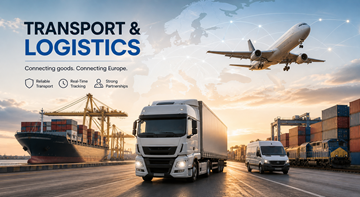
Whether you are a private person sending goods, a business managing shipments, or a carrier offering transport services, understanding the basics of transport and logistics will help you make better decisions, reduce costs, and ensure smooth delivery.
What is Transport?
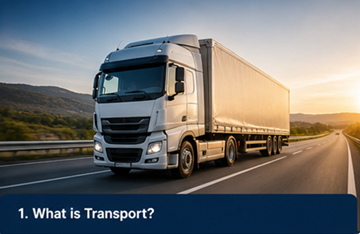
Transport refers to the physical movement of goods from one location to another. This can be within the same city, across countries, or even between continents. Transport ensures that products reach customers, warehouses, or businesses safely and on time.
- Road transport (vans, trucks, semi-trailers)
- Air transport (cargo planes for fast delivery)
- Sea transport (containers for international shipping)
- Rail transport (efficient for large volumes)
In Europe, road transport is the most common method because it offers flexibility, speed, and direct delivery from door to door.
What is Logistics?
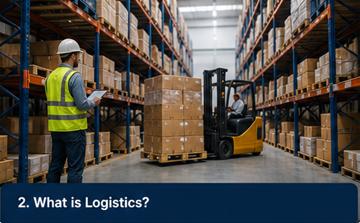
Logistics is a broader concept that includes planning, managing, and optimizing the movement of goods. It is not just about transport, but also about how goods are stored, handled, tracked, and delivered efficiently.
- Planning transport routes
- Managing warehouses and storage
- Tracking shipments in real time
- Handling documentation and communication
- Optimizing costs and delivery times
In simple terms, transport is one part of logistics. Logistics is the entire system that makes transport efficient and reliable.
Transport vs Logistics: What’s the Difference?
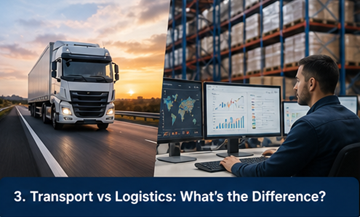
Many people use the terms interchangeably, but they are not the same. Transport focuses on moving goods, while logistics focuses on managing the entire process.
- Transport = movement of goods
- Logistics = planning and management
- Transport is a part of logistics
- Logistics includes storage, tracking, and coordination
Understanding this difference is important when choosing services or working with carriers and logistics companies.
How Transport and Logistics Work (Step-by-Step)
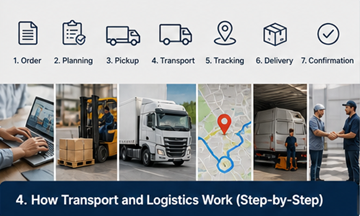
- Order creation – customer provides pickup and delivery details
- Planning – logistics system selects route, vehicle, and timing
- Pickup – goods are collected from the sender
- Transport – goods are moved via selected transport method
- Tracking – shipment is monitored during transit
- Delivery – goods arrive at the destination
- Confirmation – delivery is completed and confirmed
Modern platforms like ExusTrans simplify this process by connecting customers and carriers in real time, allowing fast communication, price calculation, and tracking.
Why Transport and Logistics Are Important
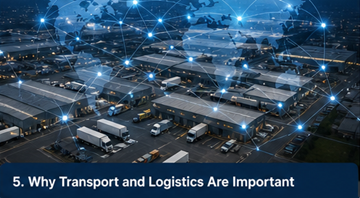
Transport and logistics are essential for the economy and everyday life. Without them, businesses could not operate, and products would not reach customers.
- Ensures availability of goods in stores and online
- Supports international trade and business growth
- Reduces delivery time and costs
- Improves efficiency and customer satisfaction
- Enables same-day and express deliveries
In Europe, efficient logistics networks allow goods to move quickly between countries, supporting both local and international markets.
Types of Transport Services
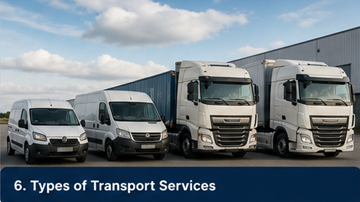
Different transport services are used depending on urgency, size, and budget.
- Express delivery – fastest option, often same-day or next-day
- Fixed price transport – agreed price regardless of route changes
- FTL (Full Truck Load) – entire truck for one shipment
- LTL (Less Than Truck Load) – shared transport for smaller shipments
- Groupage – combining multiple shipments to reduce costs
Choosing the right service helps optimize cost and delivery speed.
Examples of Transport and Logistics in Real Life
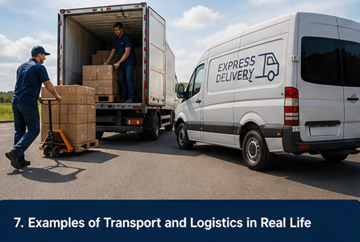
Transport and logistics are used in many everyday situations.
- A company shipping products from a factory to a warehouse
- An online store delivering orders to customers
- A private person sending furniture to another city
- A manufacturer distributing goods across Europe
Each of these examples requires coordination, planning, and transport execution.
How Digital Platforms Improve Logistics
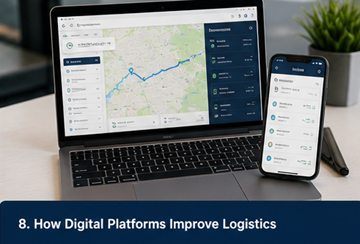
Modern digital platforms like ExusTrans simplify logistics by automating processes and connecting users.
- Instant price calculation based on distance and vehicle
- Direct communication between customer and carrier
- Real-time tracking and updates
- Efficient matching of available vehicles with orders
- Transparent pricing and faster booking
This reduces delays, improves efficiency, and makes logistics accessible to everyone.
Common Mistakes in Transport and Logistics
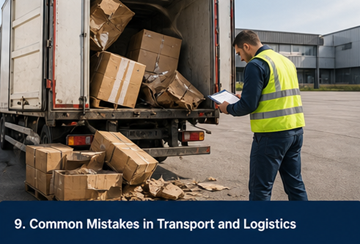
Beginners often make mistakes that can lead to delays or extra costs.
- Incorrect or incomplete address information
- Choosing the wrong vehicle type
- Underestimating weight or dimensions
- Not preparing goods properly
- Ignoring delivery time requirements
Avoiding these mistakes ensures smooth and efficient transport.
Frequently Asked Questions (FAQ)
What is the difference between transport and logistics?
Transport is the physical movement of goods from one location to another, while logistics includes planning, managing, storing, and tracking the entire process.
Why is logistics important?
Logistics ensures that goods are delivered efficiently, on time, and at the lowest possible cost, which is essential for both businesses and private users.
What are the main types of transport?
The main types of transport are road, air, sea, and rail. In Europe, road transport is the most commonly used due to its flexibility and speed.
How does transport work in Europe?
Transport in Europe is highly developed, with strong road networks allowing fast cross-border deliveries and efficient logistics coordination.
Can private persons use transport services?
Yes, private individuals can use transport services to send goods, furniture, or personal items using modern logistics platforms like ExusTrans.
What affects transport costs?
Transport costs depend on distance, weight, dimensions, vehicle type, urgency, and additional factors such as tolls, waiting time, and special handling requirements.
Conclusion: Understanding Transport and Logistics
Transport and logistics play a key role in modern life and business across Europe. From private shipments to large commercial deliveries, understanding how transport works helps you choose the right service, reduce costs, and avoid common mistakes. By learning the basics of transport types, logistics processes, and pricing factors, you can make smarter decisions and ensure that your goods are delivered safely and efficiently. Modern platforms like ExusTrans simplify the entire process by connecting customers with verified carriers, offering real-time communication, transparent pricing, and fast booking.
eXus Dev