What is a Carrier, Shipper, and Freight Forwarder?
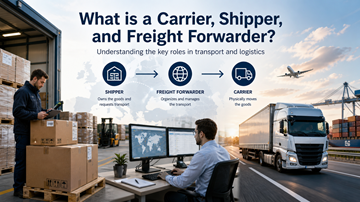
Each role has a different responsibility in the logistics chain. While they often work together, their functions, risks, and obligations are not the same. In this guide, we explain clearly what each one does, how they interact, and when you need each service.
What is a Shipper?
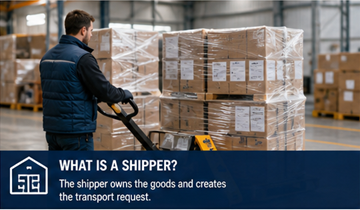
The shipper is the person or company that owns the goods and needs them transported. This can be a manufacturer, retailer, wholesaler, or even a private individual sending personal items.
In simple terms, the shipper is the one who creates the transport request and pays for the delivery. They are responsible for preparing the goods and providing accurate shipment information.
- Creates the transport order
- Provides pickup and delivery details
- Prepares goods for shipping (packaging, labeling)
- Chooses transport type (express, FTL, LTL, etc.)
- Pays for the transport service
Example: A company in Germany sending pallets of products to France is the shipper. A private person moving furniture to another city is also a shipper.
What is a Carrier?
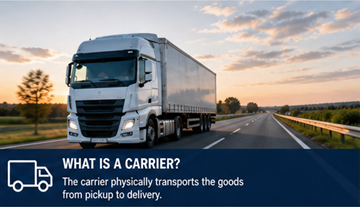
The carrier is the company or individual that physically transports the goods from the pickup location to the destination. This is usually a transport company with vehicles such as vans, trucks, or specialized equipment.
Carriers are responsible for the safe and timely delivery of goods. They handle the actual movement and are often the ones interacting with drivers and vehicles.
- Picks up goods from the shipper
- Transports goods to the destination
- Ensures safe handling during transport
- Follows delivery schedules
- Updates shipment status (e.g., loaded, in transit, delivered)
Example: A transport company driving a truck from Belgium to Italy delivering goods is the carrier. A courier delivering packages within a city is also a carrier.
What is a Freight Forwarder?
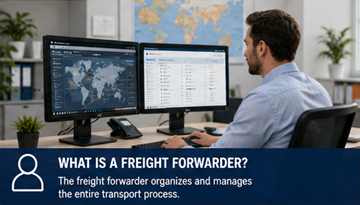
A freight forwarder is a logistics expert who organizes and manages the transport process on behalf of the shipper. They do not usually transport goods themselves but coordinate carriers and handle logistics planning.
Freight forwarders are especially useful for complex shipments, international transport, and when multiple transport modes are involved (road, sea, air).
- Organizes transport from start to finish
- Selects suitable carriers
- Plans routes and logistics
- Handles documentation (CMR, customs, etc.)
- Optimizes cost and delivery time
Example: A company shipping goods from Spain to Sweden using multiple carriers may hire a freight forwarder to manage the entire process.
Key Differences Between Shipper, Carrier, and Freight Forwarder
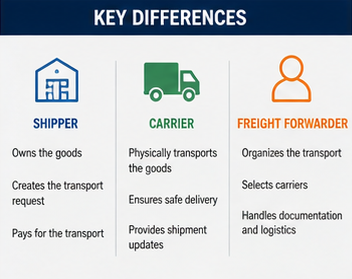
Although these roles work together, their responsibilities are very different. Understanding these differences helps avoid confusion and improves communication in transport operations.
- Shipper → Owns the goods and requests transport
- Carrier → Physically moves the goods
- Freight Forwarder → Organizes and manages the transport
In many modern platforms like ExusTrans, these roles are connected digitally. Customers act as shippers, carriers offer transport services, and the platform can act similarly to a freight forwarder by facilitating communication and coordination.
How These Roles Work Together in Real Transport
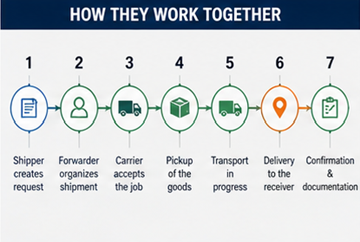
In real-world logistics, these roles interact closely to ensure successful delivery. Each step depends on proper coordination between all parties.
- Shipper creates a transport request
- Freight forwarder (or platform) organizes the shipment
- Carrier accepts the job
- Driver picks up the goods
- Transport is executed
- Goods are delivered to the receiver
- Confirmation and documentation are completed
In simpler cases, a shipper may work directly with a carrier without a freight forwarder. In more complex logistics operations, all three roles are essential.
When Do You Need Each Role?
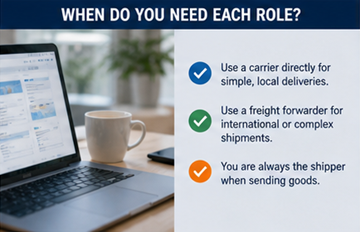
Not every shipment requires all three roles. The choice depends on complexity, distance, and your experience with logistics.
- Use a carrier directly → for simple, local, or standard deliveries
- Use a freight forwarder → for international or complex shipments
- Act as a shipper → whenever you need to send goods
Platforms like ExusTrans simplify this decision by connecting shippers directly with carriers while still providing structured communication, pricing, and tracking tools.
Conclusion
The shipper, carrier, and freight forwarder are the foundation of the transport and logistics industry. Each plays a unique role in ensuring goods move efficiently from one place to another.
By understanding these roles, you can choose the right transport solution, communicate more effectively, and avoid common mistakes in logistics planning—whether you are sending a single package or managing large-scale transport operations across Europe.
FAQ
Can one company be both a carrier and a freight forwarder?
Yes, some companies offer both services. They can transport goods and also organize logistics for other carriers.
Is a courier the same as a carrier?
Yes, a courier is a type of carrier, usually focused on small and fast deliveries.
Do I always need a freight forwarder?
No. For simple shipments, you can work directly with a carrier. Freight forwarders are useful for complex or international logistics.
Who is responsible if goods are damaged?
Typically, the carrier is responsible during transport, but liability depends on contracts and agreements such as CMR.
eXus Dev