What Is Customs Clearance? Simple Guide to International and European Transport
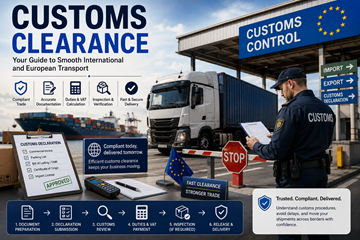
Whether you are an importer, exporter, carrier, freight forwarder, ecommerce business, or private customer, understanding customs clearance helps avoid delays, penalties, unexpected costs, and transport problems. In this guide, we explain how customs clearance works in Europe and international logistics in a simple and practical way.
What Is Customs Clearance?
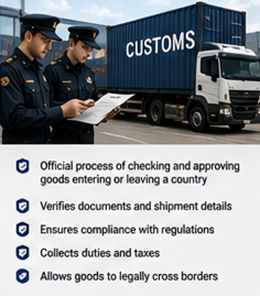
Customs clearance is the official process of checking and approving goods that enter or leave a country. Customs authorities verify shipment information, collect duties and taxes, inspect cargo when necessary, and ensure compliance with national and international regulations.
Without customs clearance, international shipments cannot legally cross borders or be delivered to the final destination.
- Controls international trade
- Checks import and export compliance
- Collects duties and taxes
- Prevents illegal goods transport
- Verifies shipping documents
- Supports border security
Why Customs Clearance Is Important
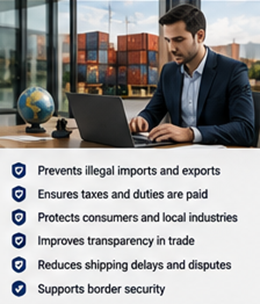
Customs clearance protects governments, businesses, and consumers by controlling the movement of goods across borders.
Proper customs procedures help ensure that taxes are paid correctly, dangerous goods are controlled, prohibited products are stopped, and shipments comply with local regulations.
- Prevents illegal imports and exports
- Ensures proper VAT and duty payments
- Supports safe international trade
- Protects local economies
- Improves shipment transparency
- Reduces transport disputes
How Customs Clearance Works
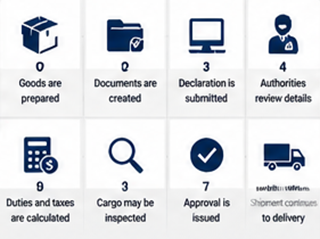
The customs clearance process usually starts before the shipment arrives at the border or customs terminal.
Importers, exporters, carriers, or customs brokers submit shipment information and required documents to customs authorities for review.
- Goods are prepared for shipment
- Transport documents are created
- Customs declaration is submitted
- Authorities review shipment details
- Duties and taxes are calculated
- Cargo may be inspected
- Customs approval is issued
- Shipment continues to final delivery
Import Customs Clearance
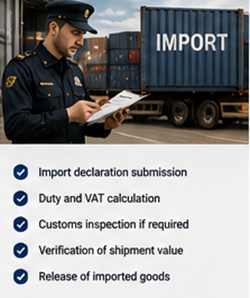
Import customs clearance applies when goods enter a country from abroad.
Customs authorities check the shipment value, origin, product classification, taxes, and compliance with local import regulations before allowing goods to enter the market.
- Import declaration submission
- Duty and VAT calculation
- Customs inspection if required
- Verification of shipment value
- Release of imported goods
Export Customs Clearance
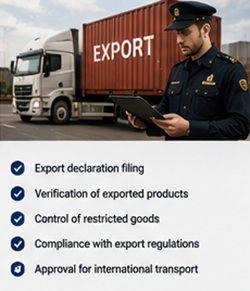
Export customs clearance applies when goods leave a country for international transport.
Authorities verify that exported goods comply with export regulations, sanctions rules, product controls, and international trade requirements.
- Export declaration filing
- Verification of exported products
- Control of restricted goods
- Compliance with export regulations
- Approval for international transport
Documents Required for Customs Clearance
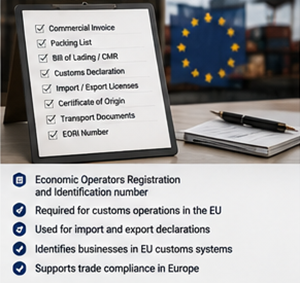
Several transport and trade documents are usually required during customs clearance.
Missing or incorrect documentation is one of the most common causes of shipment delays.
- Commercial invoice
- Packing list
- Bill of Lading or CMR
- Customs declaration
- Import or export licenses
- Certificate of origin
- Transport documents
- EORI number in Europe
What Is an EORI Number?
An EORI number stands for Economic Operators Registration and Identification number.
Businesses importing or exporting goods in the European Union usually need an EORI number to complete customs procedures.
- Required for EU customs operations
- Used for import and export declarations
- Identifies businesses in customs systems
- Supports European trade compliance
Customs Duties and Import VAT
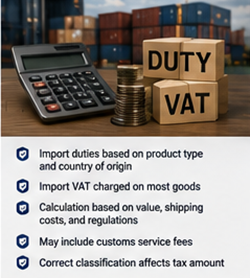
Customs clearance often includes payment of import duties and VAT depending on the shipment type, value, and country of origin.
Import taxes are usually calculated based on product classification, customs value, shipping costs, and local tax regulations.
- Import duties
- Import VAT
- Customs service fees
- Product classification codes
- Country of origin rules
Customs Inspections and Cargo Checks
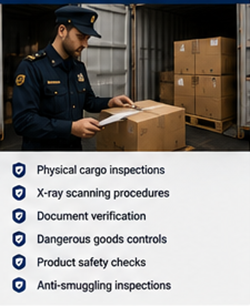
Some shipments are selected for customs inspection to verify cargo details and ensure compliance with regulations.
Authorities may inspect packaging, labels, invoices, dangerous goods declarations, or product safety documentation.
- Physical cargo inspections
- X-ray scanning procedures
- Document verification
- Dangerous goods controls
- Product safety checks
- Anti-smuggling inspections
Customs Clearance in European Transport
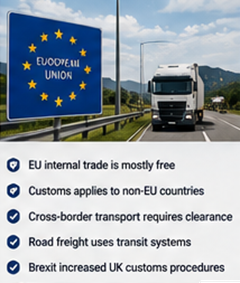
Within the European Union, most goods move freely between EU Member States without customs checks.
However, customs clearance still applies when goods move between the EU and non-EU countries such as the United Kingdom, Turkey, Switzerland, Ukraine, or other international destinations.
- EU internal market simplifies transport
- Non-EU shipments require customs
- Cross-border logistics depend on regulations
- Road freight often uses customs transit systems
- Brexit increased UK customs procedures
Customs Brokers and Freight Forwarders
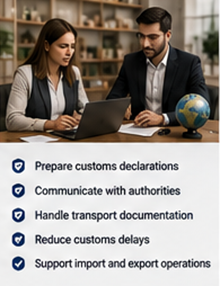
Many companies use customs brokers or freight forwarders to manage customs procedures and avoid administrative problems.
These professionals prepare declarations, communicate with customs authorities, organize document handling, and help shipments move faster across borders.
- Prepare customs declarations
- Coordinate with authorities
- Handle transport documentation
- Reduce customs delays
- Support import and export operations
Common Customs Clearance Delays
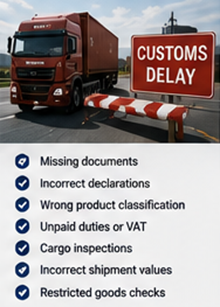
Customs delays can create serious transport disruptions and additional logistics costs.
- Missing documents
- Incorrect customs declarations
- Wrong product classification
- Unpaid duties or VAT
- Cargo inspections
- Incorrect shipment values
- Restricted goods checks
How to Avoid Customs Problems
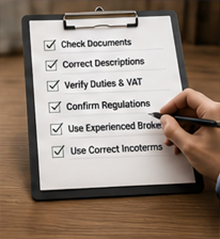
Careful preparation and correct documentation help shipments move through customs more efficiently.
- Prepare documents correctly
- Use accurate shipment descriptions
- Check VAT and duty requirements
- Verify import regulations
- Work with experienced customs brokers
- Use correct Incoterms
Customs Clearance for Ecommerce Shipments
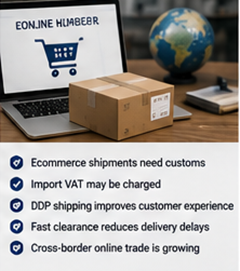
Cross-border ecommerce shipments also require customs procedures, especially when goods move between the EU and non-EU countries.
Online retailers often use DDP shipping or customs solutions to improve customer experience and reduce delivery delays.
- International parcel customs checks
- Import VAT collection
- DDP ecommerce shipping
- Fast customs processing
- Cross-border online trade
Digital Customs Systems and Modern Logistics
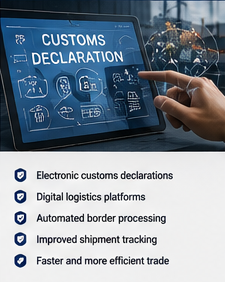
Modern customs clearance increasingly uses electronic declarations and digital logistics systems.
Automation helps reduce paperwork, speed up border processing, improve cargo visibility, and simplify international trade operations.
- Electronic customs declarations
- Digital logistics platforms
- Automated border processing
- Improved shipment tracking
- Faster international trade
Conclusion
Customs clearance is an essential part of international shipping and European logistics. It ensures that goods legally enter or leave countries while meeting tax, safety, and trade compliance requirements.
Understanding customs procedures helps importers, exporters, carriers, and logistics companies reduce delays, improve transport efficiency, and manage international shipments more successfully.
FAQ
What is customs clearance?
Customs clearance is the official process of approving goods for import or export through customs authorities.
Who is responsible for customs clearance?
Responsibility depends on the shipping agreement and Incoterms used. Importers, exporters, customs brokers, or freight forwarders may handle customs procedures.
What documents are needed for customs clearance?
Common documents include commercial invoices, packing lists, transport documents, customs declarations, and certificates of origin.
What is an EORI number?
An EORI number is a European customs registration number required for businesses importing or exporting goods within the EU.
Why do customs delays happen?
Delays often happen because of missing documents, incorrect declarations, unpaid taxes, inspections, or shipment compliance issues.
Do shipments inside the EU require customs clearance?
Most shipments between EU Member States move freely without customs procedures, but customs still apply for non-EU trade.
What is import VAT?
Import VAT is a tax charged on imported goods when they enter a country during customs clearance.
Can freight forwarders handle customs clearance?
Yes. Many freight forwarders and customs brokers manage customs declarations and border procedures for international shipments.
eXus Dev