DDP vs DAP Explained: Which Shipping Term Is Better for Importers?
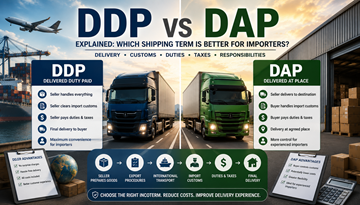
Understanding the difference between DDP and DAP is essential for importers, exporters, logistics companies, freight forwarders, and online businesses. Choosing the correct shipping term can affect delivery speed, customs clearance, transport costs, VAT handling, and customer satisfaction.
What Are DDP and DAP?
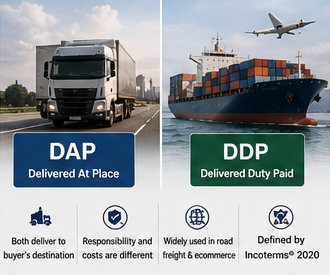
DDP and DAP are international shipping terms used to define delivery responsibilities between buyers and sellers in global trade.
Both Incoterms involve transport to the buyer’s destination, but they differ mainly in who handles import customs procedures, duties, and taxes.
- DDP = Delivered Duty Paid
- DAP = Delivered At Place
- Both include delivery to destination
- Both are common in European transport
- Both are used in road freight and ecommerce logistics
What Does DAP Mean?
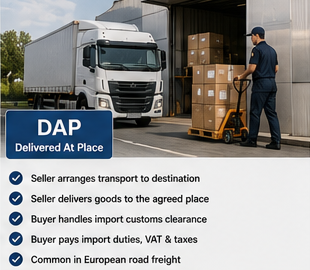
DAP stands for Delivered At Place. Under DAP shipping terms, the seller organizes and pays for transport to the agreed destination.
However, the buyer remains responsible for import customs clearance, import VAT, duties, and other local taxes once the shipment arrives in the destination country.
- Seller arranges transport
- Seller delivers cargo to destination
- Buyer handles import customs
- Buyer pays duties and VAT
- Common in European road freight
What Does DDP Mean?
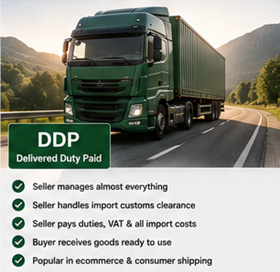
DDP stands for Delivered Duty Paid. It gives the seller maximum responsibility for the shipment.
Under DDP, the seller handles transport, export procedures, import customs clearance, import duties, taxes, and final delivery to the buyer.
- Seller manages almost everything
- Seller handles customs procedures
- Seller pays import duties and VAT
- Buyer receives ready-to-use delivery
- Popular in ecommerce and consumer shipping
Main Difference Between DDP and DAP
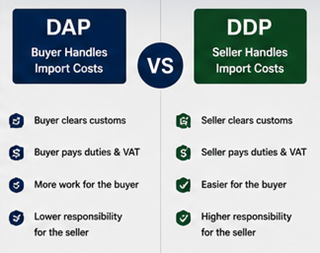
The main difference between DDP and DAP is who handles import customs procedures and pays import duties and taxes.
Under DAP, the buyer is responsible for customs clearance and import charges. Under DDP, the seller takes responsibility for the entire import process.
- DAP = Buyer pays import costs
- DDP = Seller pays import costs
- DAP requires buyer customs involvement
- DDP simplifies delivery for buyers
- DDP creates more responsibility for sellers
Who Pays Import Duties and VAT?
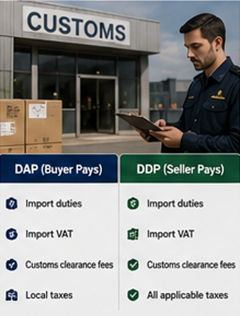
Import duties and VAT are one of the biggest differences between DDP and DAP shipping.
- Under DAP, the buyer pays import duties
- Under DAP, the buyer pays import VAT
- Under DDP, the seller pays import duties
- Under DDP, the seller pays import VAT
- Customs procedures depend on local regulations
This difference strongly affects the total landed cost of imported goods and may influence delivery speed and customer satisfaction.
DDP vs DAP for Importers
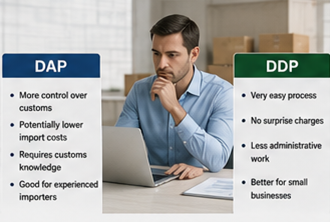
Many importers prefer DDP because it simplifies the delivery process and reduces customs complications.
However, experienced importers often choose DAP because they can manage customs clearance themselves and sometimes reduce import costs.
- DDP is easier for buyers
- DAP gives importers more control
- Experienced companies often prefer DAP
- Small businesses may prefer DDP
- Import knowledge affects the best choice
DDP vs DAP for Exporters
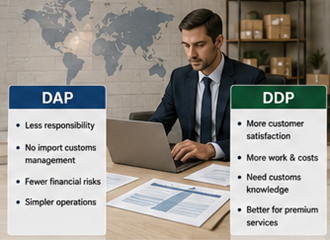
For exporters, DDP involves more work, financial responsibility, and customs coordination compared to DAP.
DAP is often simpler because the exporter does not need to manage import procedures in the destination country.
- DDP requires import customs management
- DAP reduces seller responsibilities
- DDP may improve customer experience
- DAP reduces customs complexity
- Local tax regulations may affect DDP operations
Risk Transfer Under DDP and DAP
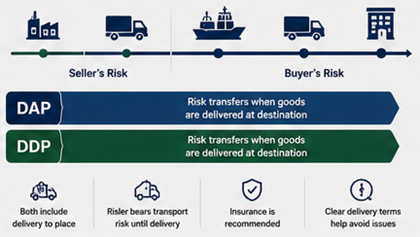
Under both DDP and DAP, the seller carries transport risk until the cargo reaches the agreed delivery destination.
This makes both Incoterms suitable for door-to-door logistics operations and customer-focused shipping services.
- Seller carries transport risk longer
- Risk transfers at destination delivery
- Door-to-door delivery is common
- Insurance remains important
- Delivery coordination affects logistics performance
DDP and DAP in Ecommerce Shipping
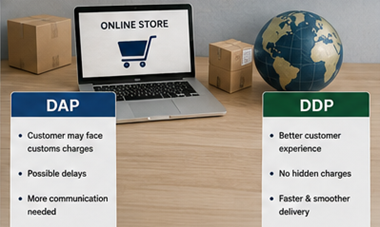
Ecommerce businesses frequently use DDP to create a smoother customer experience.
Customers usually prefer prepaid duties and taxes because they avoid unexpected customs charges during delivery.
- DDP improves customer convenience
- DAP may create surprise customs fees
- DDP is common in online retail
- Cross-border ecommerce often uses DDP
- Fast customs clearance improves delivery speed
DDP vs DAP in European Road Transport
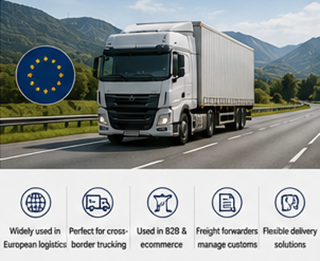
Both DDP and DAP are widely used in European logistics and road freight transport.
Transport companies and freight forwarders often organize cross-border deliveries under these Incoterms because they fit well with door-to-door transport operations.
- Popular in European trucking
- Common in cross-border logistics
- Used for B2B and ecommerce transport
- Freight forwarders often manage customs
- Road transport flexibility supports both terms
Advantages of DDP
DDP can provide a better customer experience because the buyer receives goods without dealing with customs or import payments.
- Simplified import process for buyers
- No surprise customs charges
- Convenient door-to-door delivery
- Better ecommerce customer experience
- Faster delivery coordination
Advantages of DAP
DAP allows importers to control customs clearance directly and may reduce import-related costs for experienced businesses.
- Buyer controls customs process
- Potentially lower import costs
- Simpler for exporters
- Flexible logistics management
- Suitable for experienced importers
Common Mistakes When Using DDP and DAP
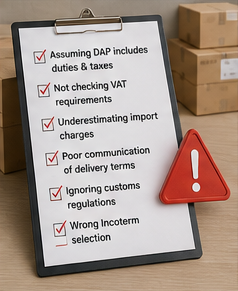
Incorrect understanding of customs responsibilities can create serious delivery delays and unexpected costs.
- Assuming DAP includes import duties
- Ignoring VAT registration requirements
- Using DDP without customs knowledge
- Not clarifying local taxes
- Failing to estimate import charges
- Poor communication about delivery terms
How to Choose Between DDP and DAP
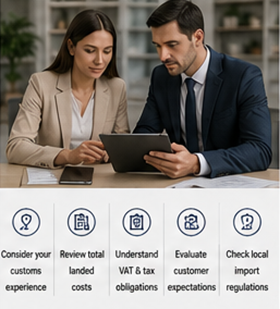
The best shipping term depends on logistics experience, customs knowledge, customer expectations, and the destination country.
Businesses selling directly to consumers often choose DDP, while experienced importers and wholesalers may prefer DAP.
- Consider customs experience
- Review delivery expectations
- Analyze total landed costs
- Understand VAT obligations
- Evaluate customer convenience
- Check local import regulations
Conclusion
DDP and DAP are both important Incoterms in modern international logistics. Although both include delivery to the destination, they differ significantly in customs responsibilities, VAT handling, and import duties.
Understanding these shipping terms helps businesses organize transport more efficiently, improve customs coordination, reduce unexpected costs, and provide better delivery experiences for customers.
FAQ
What is the difference between DDP and DAP?
Under DDP, the seller pays import duties and taxes. Under DAP, the buyer pays import duties and handles customs clearance.
Which is better for importers, DDP or DAP?
DDP is usually easier for importers because the seller handles customs and taxes. Experienced importers may prefer DAP for more customs control.
Who pays VAT under DDP?
Under DDP, the seller usually pays import VAT and duties in the destination country.
Does DAP include customs clearance?
No. Under DAP, the buyer is responsible for import customs clearance and import charges.
Why is DDP popular in ecommerce?
DDP improves customer experience because buyers do not face unexpected customs charges during delivery.
Can DDP and DAP be used for road transport?
Yes. Both Incoterms are widely used in European road freight and cross-border trucking operations.
Who carries the transport risk under DDP and DAP?
In both DDP and DAP, the seller carries the transport risk until delivery at the agreed destination.
Which Incoterm gives the seller the most responsibility?
DDP gives the seller one of the highest levels of responsibility because the seller manages transport, customs, duties, taxes, and delivery.
eXus Dev