Limited Quantity (LQ) ADR Rules Explained for Transport and Logistics
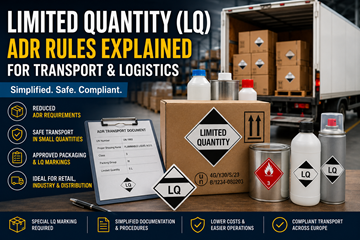
Many everyday products such as paints, aerosols, cleaning products, chemicals, perfumes, batteries, and industrial materials may qualify for Limited Quantity transport under ADR rules. In this complete guide, we explain how LQ transport works, which requirements still apply, and how companies can transport dangerous goods safely and legally across Europe.
What Does Limited Quantity (LQ) Mean?
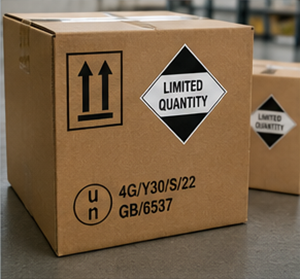
Limited Quantity, often called LQ, is a simplified ADR transport system for certain dangerous goods transported in small quantities and approved packaging.
The purpose of LQ rules is to reduce administrative and operational burdens while still maintaining transport safety.
- Reduced ADR requirements
- Simplified dangerous goods transport
- Smaller quantities per package
- Approved packaging conditions
- Special LQ markings
Why Limited Quantity Rules Exist
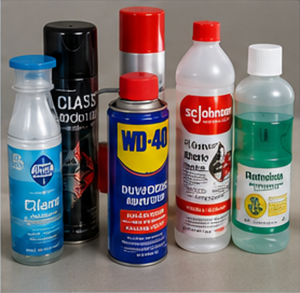
Many dangerous goods transported daily present lower transport risks when packaged in small quantities. ADR Limited Quantity rules simplify logistics operations while preserving safety standards.
Without LQ exemptions, transporting many common products would become significantly more complicated and expensive.
- Simplifies logistics operations
- Reduces transport costs
- Supports retail distribution
- Improves supply chain efficiency
- Maintains transport safety
Which Products Can Qualify for LQ Transport?
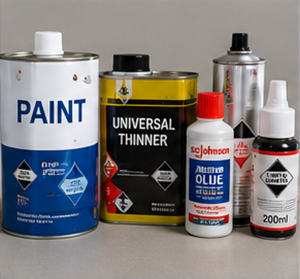
Many dangerous goods products may qualify for Limited Quantity transport depending on their ADR classification, packaging type, and quantity limits.
- Paints and solvents
- Aerosol cans
- Cleaning chemicals
- Perfumes
- Adhesives
- Industrial products
- Small lithium battery shipments
- Consumer dangerous goods products
How Limited Quantity Transport Works
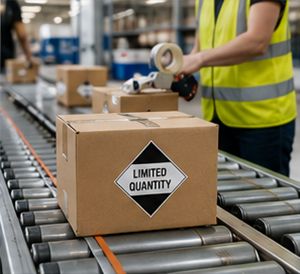
LQ transport works by allowing dangerous goods to move under simplified ADR rules when strict quantity and packaging conditions are respected.
- Dangerous goods are classified
- LQ eligibility is verified
- Products are packed in approved packaging
- LQ markings are applied
- Packages are secured for transport
- Goods are transported under simplified ADR requirements
Limited Quantity Packaging Requirements
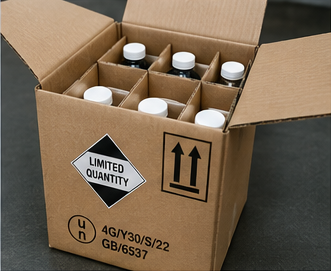
Even under Limited Quantity exemptions, dangerous goods must still be packaged safely to prevent leaks, spills, or damage during transport.
- Strong outer packaging
- Leak protection
- Secure closures
- Impact resistance
- Protection against movement
- Approved transport packaging
Packaging rules vary depending on dangerous goods classification and product type.
Limited Quantity Labels and Markings
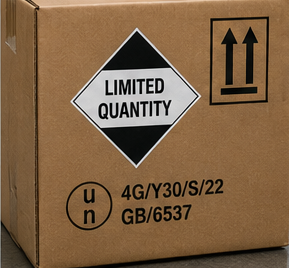
Limited Quantity shipments usually require specific LQ markings displayed on transport packages.
- Black and white LQ diamond mark
- Orientation arrows when required
- Dangerous goods handling labels
- Transport package identification
Correct markings help transport workers and inspectors identify LQ shipments quickly.
What ADR Requirements Are Reduced Under LQ?
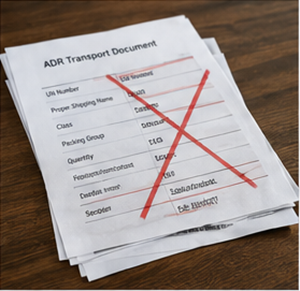
Limited Quantity transport simplifies several standard ADR obligations.
- Reduced documentation requirements
- Simplified labeling obligations
- Reduced vehicle marking rules
- Possible ADR training simplifications
- Simplified transport procedures
However, transport safety obligations still remain important.
What ADR Rules Still Apply Under LQ?
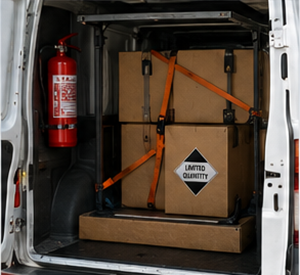
Limited Quantity transport does not completely remove ADR obligations. Certain safety rules still apply.
- Safe packaging requirements
- Cargo securing procedures
- General transport safety rules
- Proper dangerous goods handling
- Protection against leaks and damage
LQ Transport for Vans and Small Vehicles
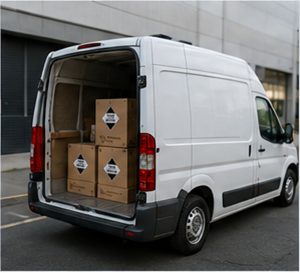
Limited Quantity transport is commonly used in delivery vans and regional distribution logistics.
Retail products, industrial supplies, and commercial dangerous goods are often distributed under LQ rules.
- Courier logistics
- Retail distribution
- Regional delivery operations
- Warehouse supply transport
- Industrial distribution
Limited Quantity and Lithium Batteries
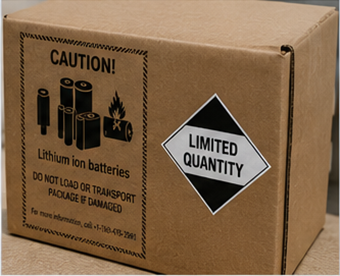
Some small lithium battery shipments may qualify for simplified dangerous goods transport conditions under ADR exemptions.
Battery type, watt-hour rating, packaging, and quantity limits determine whether simplified rules apply.
- Small consumer batteries
- Electronics shipments
- Battery-powered devices
- Simplified battery transport rules
Common Limited Quantity Transport Mistakes
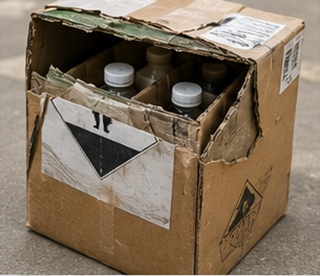
Incorrect use of Limited Quantity exemptions is a common dangerous goods compliance problem.
- Using incorrect packaging
- Missing LQ labels
- Exceeding quantity limits
- Incorrect dangerous goods classification
- Poor cargo securing
- Using damaged packaging
Advantages of Limited Quantity Transport

Limited Quantity transport offers major operational advantages for logistics companies and businesses transporting small dangerous goods shipments.
- Lower transport costs
- Simplified logistics operations
- Reduced administrative burden
- Faster distribution
- Improved transport flexibility
- Simplified compliance
Important Facts About Limited Quantity ADR Rules
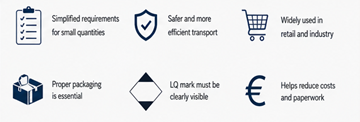
- Limited Quantity transport is part of ADR regulations
- LQ rules apply only to certain dangerous goods
- Packaging and quantity limits remain important
- LQ transport is common in retail logistics
- Many delivery vans transport dangerous goods under LQ rules
- LQ markings are internationally recognized
Conclusion
Limited Quantity ADR rules help simplify dangerous goods transport across Europe while maintaining important transport safety standards. Many businesses rely on LQ transport daily for retail distribution, industrial deliveries, and logistics operations.
Understanding LQ packaging, labels, exemptions, and transport conditions helps companies improve compliance, reduce risks, and operate more efficiently within European dangerous goods transport regulations.
Frequently Asked Questions About Limited Quantity ADR Rules
What does Limited Quantity mean in ADR?
Limited Quantity refers to simplified ADR transport rules for certain dangerous goods transported in small quantities and approved packaging.
Do Limited Quantity shipments still require labels?
Yes. LQ shipments usually require special black and white Limited Quantity markings.
Can vans transport dangerous goods under LQ rules?
Yes. Many delivery vans transport dangerous goods under Limited Quantity ADR exemptions.
Do LQ shipments require ADR documents?
Documentation requirements are often simplified, but some transport information may still be required.
Can lithium batteries qualify for Limited Quantity transport?
Some small lithium battery shipments may qualify for simplified dangerous goods transport conditions depending on packaging and quantity limits.
What are common mistakes with Limited Quantity transport?
Common mistakes include incorrect packaging, missing labels, exceeding quantity limits, and incorrect dangerous goods classification.
Why is Limited Quantity transport important?
Limited Quantity transport simplifies logistics operations and reduces transport costs while maintaining safety standards.
eXus Dev