Dangerous Goods Transport Rules in Europe (ADR Regulations Explained)
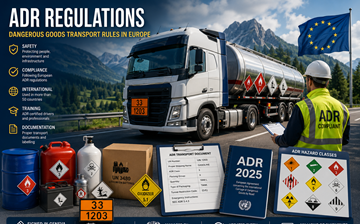
Whether transporting fuel, chemicals, lithium batteries, gases, paints, industrial products, or hazardous waste, companies and carriers must comply with European ADR transport rules. In this complete guide, we explain ADR regulations in simple terms, including the legal framework, official organizations, dates, facts, and practical transport requirements.
When Was ADR Created?
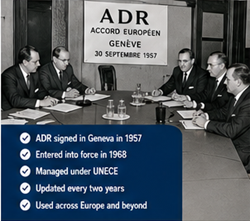
The ADR agreement was signed in Geneva on 30 September 1957 under the United Nations Economic Commission for Europe (UNECE). The agreement officially entered into force in 1968.
ADR regulations were created to improve road safety and establish international standards for transporting dangerous goods across European borders.
- ADR signed in Geneva in 1957
- Entered into force in 1968
- Managed under UNECE
- Updated every two years
- Used across Europe and beyond
Who Creates and Updates ADR Rules?
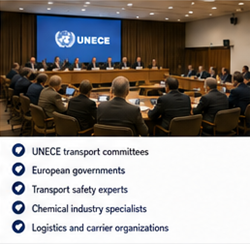
ADR regulations are managed and updated by the United Nations Economic Commission for Europe (UNECE) together with participating governments, transport authorities, safety experts, and industry representatives.
Working groups regularly review transport risks, technological developments, environmental concerns, and new dangerous goods categories.
- UNECE transport committees
- European governments
- Transport safety experts
- Chemical industry specialists
- Logistics and carrier organizations
How Often Are ADR Regulations Updated?
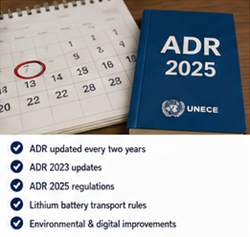
ADR regulations are normally updated every two years to improve transport safety and adapt to new technologies and industry requirements.
Recent updates increasingly focus on lithium battery transport, environmental protection, digital documentation, packaging standards, and modern logistics operations.
- ADR 2023 updates
- ADR 2025 regulations
- Lithium battery transport rules
- Environmental safety improvements
- Digital logistics developments
Official ADR Regulation Sources
ADR regulations are published and maintained by the United Nations Economic Commission for Europe (UNECE). Official ADR documents and updates can be found on the UNECE transport website.
- UNECE ADR homepage: https://unece.org/transport/dangerous-goods
- Official ADR agreement text: https://unece.org/adr-2025-files
- ADR country information: https://unece.org/transportdangerous-goods
- European Commission transport safety information: https://transport.ec.europa.eu/
Which Countries Use ADR Regulations?
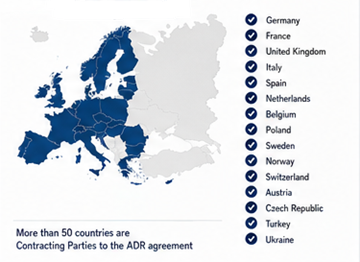
ADR regulations are used throughout most European countries and several countries in Asia and neighboring regions. More than 50 countries are Contracting Parties to the ADR agreement managed under UNECE.
- Germany
- France
- United Kingdom
- Italy
- Spain
- Netherlands
- Belgium
- Poland
- Sweden
- Norway
- Switzerland
- Austria
- Czech Republic
- Turkey
- Ukraine
- More than 50 countries are Contracting Parties to the ADR agreement
ADR regulations help create standardized dangerous goods transport procedures across international borders, improving safety and logistics efficiency throughout Europe and neighboring regions.
ADR Packaging Requirements
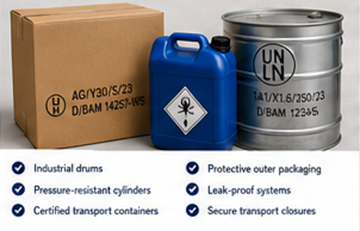
Dangerous goods must be transported using ADR-approved packaging designed to prevent leaks, spills, explosions, contamination, and damage during transport.
- Industrial drums
- Pressure-resistant cylinders
- Certified transport containers
- Protective outer packaging
- Leak-proof systems
- Secure transport closures
ADR Labels and Orange Plates
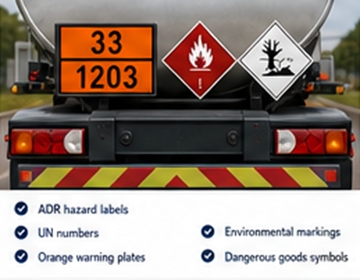
ADR transport vehicles and packages must display internationally recognized warning labels and orange plates identifying hazardous cargo.
- ADR hazard labels
- UN numbers
- Orange warning plates
- Environmental hazard markings
- Dangerous goods symbols
These labels help emergency services and inspectors identify dangerous substances quickly.
ADR Driver Requirements
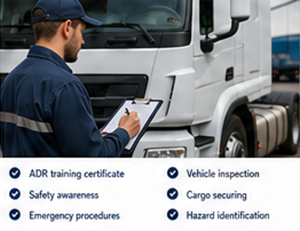
Drivers transporting dangerous goods generally require ADR training and certification.
ADR driver training covers safety procedures, emergency response, dangerous goods handling, and transport law compliance.
- ADR training certificate
- Safety awareness
- Emergency response procedures
- Vehicle inspection knowledge
- Cargo securing techniques
- Hazard identification
ADR Vehicle Equipment Rules
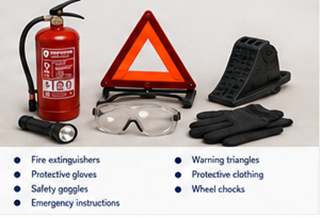
ADR vehicles must often carry mandatory safety equipment depending on the cargo type and transport category.
- Fire extinguishers
- Protective gloves
- Safety goggles
- Emergency instructions
- Warning triangles
- Protective clothing
- Wheel chocks
ADR Transport Documents
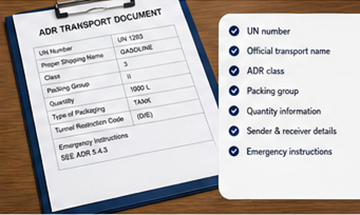
Dangerous goods shipments require official ADR transport documentation containing detailed cargo information.
- UN number
- Official transport name
- ADR class
- Packing group
- Quantity information
- Sender and receiver details
- Emergency instructions
Loading and Unloading Rules
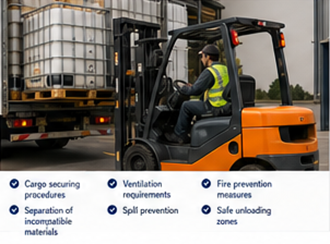
ADR regulations define strict loading and unloading procedures to prevent leaks, fires, dangerous reactions, and accidents.
- Cargo securing procedures
- Separation of incompatible materials
- Ventilation requirements
- Spill prevention
- Fire prevention measures
- Safe unloading zones
ADR Exemptions and Limited Quantities
Some dangerous goods may qualify for simplified ADR rules under limited quantity or small load exemptions.
- Limited quantity transport
- Reduced documentation
- Simplified labels
- Small load exemptions
- Special packaging rules
ADR Inspections and Penalties
Transport authorities across Europe regularly inspect ADR vehicles to verify dangerous goods compliance.
- Document inspections
- Driver certificate verification
- Vehicle equipment checks
- Cargo securing inspections
- Label verification
- Packaging inspections
Violations can result in heavy fines, shipment delays, vehicle immobilization, and legal liability.
Important Facts About ADR Regulations
- ADR agreement signed in Geneva in 1957
- ADR entered into force in 1968
- Managed under UNECE
- Updated every two years
- Used in more than 50 countries
- Millions of dangerous goods shipments move across Europe annually
- Lithium battery transport is one of the fastest-growing ADR sectors
- Fuel transport remains one of the largest ADR logistics industries
Examples of Dangerous Goods Covered by ADR
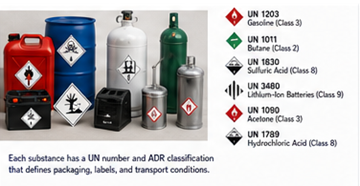
Many everyday industrial and commercial products fall under ADR regulations because they may create fire, explosion, chemical, or environmental risks during transport.
- UN 1203 — Gasoline (Class 3 Flammable Liquid)
- UN 1011 — Butane (Class 2 Gas)
- UN 1830 — Sulfuric Acid (Class 8 Corrosive Substance)
- UN 3480 — Lithium-Ion Batteries (Class 9 Miscellaneous Dangerous Goods)
- UN 1090 — Acetone (Class 3 Flammable Liquid)
- UN 1789 — Hydrochloric Acid (Class 8 Corrosive Substance)
Each dangerous substance receives a UN number and ADR classification that determines packaging, labels, transport conditions, and safety procedures.
Conclusion
ADR regulations are one of the most important transport safety systems in Europe. They define how dangerous goods must be classified, packaged, documented, labeled, loaded, and transported safely.
Understanding ADR rules helps businesses improve logistics operations, reduce risks, avoid penalties, and maintain compliance throughout international transport activities.
Frequently Asked Questions About ADR Regulations
What does ADR stand for?
ADR stands for “Accord relatif au transport international des marchandises Dangereuses par Route,” the European agreement regulating the international transport of dangerous goods by road.
When was the ADR agreement created?
The ADR agreement was signed in Geneva on 30 September 1957 and officially entered into force in 1968.
Who manages ADR regulations?
ADR regulations are managed and updated under the United Nations Economic Commission for Europe (UNECE) together with governments, transport authorities, and industry experts.
How often are ADR regulations updated?
ADR regulations are normally updated every two years to improve transport safety and adapt to new technologies, environmental standards, and logistics developments.
Which countries use ADR regulations?
ADR regulations are used in more than 50 countries, including Germany, France, Belgium, the Netherlands, Italy, Spain, Poland, Norway, Switzerland, Turkey, Ukraine, and the United Kingdom.
What products are considered dangerous goods under ADR?
Dangerous goods include fuel, gasoline, lithium batteries, gas cylinders, chemicals, corrosive substances, paints, solvents, hazardous waste, and many industrial materials.
What is a UN number in ADR transport?
A UN number is an internationally recognized identification number assigned to dangerous substances. For example, gasoline uses UN 1203 and lithium-ion batteries use UN 3480.
Do ADR drivers need special certification?
Yes. Drivers transporting dangerous goods generally require ADR training and certification covering safety procedures, emergency response, vehicle inspections, and dangerous goods handling.
What equipment is required for ADR vehicles?
ADR vehicles may require fire extinguishers, protective gloves, safety goggles, warning triangles, wheel chocks, emergency instructions, and other protective safety equipment depending on the transported cargo.
What documents are required for ADR transport?
ADR shipments usually require transport documents containing the UN number, official transport name, ADR class, packing group, quantity information, sender and receiver details, and emergency instructions.
What are ADR orange plates?
ADR orange plates are warning signs displayed on vehicles transporting dangerous goods. They help emergency services and inspectors quickly identify hazardous cargo.
Can dangerous goods be transported under simplified ADR rules?
Yes. Some dangerous goods may qualify for limited quantity or small load exemptions depending on the cargo type, quantity, and packaging.
What happens during an ADR roadside inspection?
Authorities may inspect transport documents, driver certificates, vehicle equipment, cargo securing methods, ADR labels, packaging, and overall dangerous goods compliance.
What happens if ADR regulations are violated?
ADR violations can result in heavy fines, shipment delays, legal liability, vehicle immobilization, transport bans, and increased safety risks.
Where can companies find official ADR regulations?
Official ADR regulations and updates are published by UNECE and can be found on the UNECE dangerous goods transport website and European Commission transport safety pages.
eXus Dev