ADR Requirements for Trucks, Vans, and Drivers in Europe
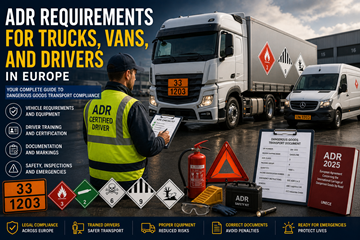
Whether operating a van, truck, tanker, or specialized dangerous goods vehicle, transport companies and drivers must follow ADR regulations covering vehicle equipment, markings, documentation, inspections, emergency procedures, and safety obligations. In this complete guide, we explain ADR requirements for trucks, vans, and drivers in simple terms.
What Are ADR Vehicle Requirements?
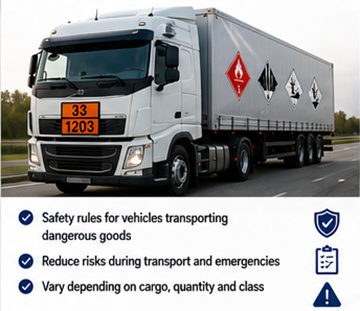
ADR vehicle requirements are safety rules applied to vehicles transporting dangerous goods across Europe. These regulations help reduce risks during loading, transport, unloading, roadside inspections, and emergencies.
Requirements may vary depending on cargo type, quantity, ADR class, and transport category.
- Vehicle safety equipment
- ADR orange plates
- Dangerous goods labels
- Technical inspections
- Emergency procedures
- Fire prevention systems
Which Vehicles Need ADR Compliance?
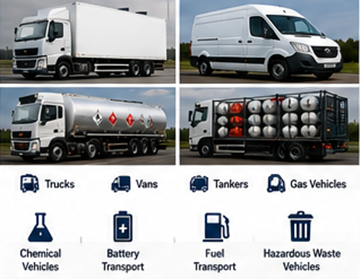
Many commercial vehicles transporting dangerous goods may require ADR compliance depending on the transported materials and quantities.
- Box trucks
- Semi-trailers
- Tankers
- Fuel transport vehicles
- Delivery vans
- Chemical transport vehicles
- Battery transport vehicles
- Gas transport trucks
Even smaller vans may require ADR compliance when transporting dangerous goods above exemption limits.
ADR Requirements for Trucks
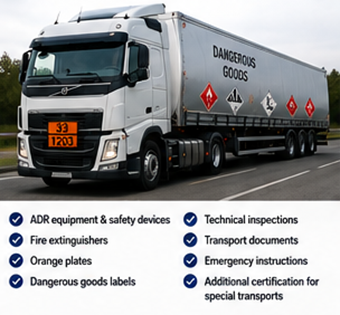
Heavy trucks transporting dangerous goods usually face the strictest ADR compliance requirements.
- ADR-certified equipment
- Fire extinguishers
- Orange warning plates
- Dangerous goods labels
- Technical vehicle inspections
- ADR transport documentation
- Emergency instructions
Special tanker trucks and explosive transport vehicles may require additional technical certifications.
ADR Requirements for Vans
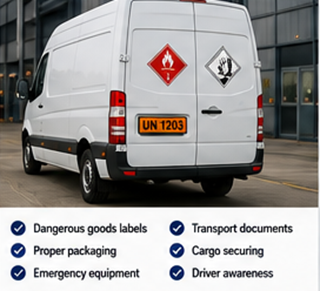
Many transport companies mistakenly believe ADR regulations only apply to large trucks. However, delivery vans may also require ADR compliance depending on transported cargo.
- Dangerous goods labels
- Proper packaging
- Emergency equipment
- Transport documents
- Cargo securing procedures
- Driver awareness requirements
Small quantity exemptions may reduce some requirements, but dangerous goods rules still apply in many situations.
ADR Driver Certification Explained
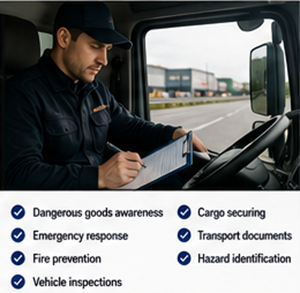
Drivers transporting dangerous goods often require ADR training and certification before operating ADR transport vehicles.
ADR training teaches drivers how to handle dangerous goods safely and respond during emergencies.
- Dangerous goods awareness
- Emergency response procedures
- Fire prevention
- Vehicle inspections
- Cargo securing
- ADR transport documentation
- Hazard identification
Which Drivers Need ADR Training?
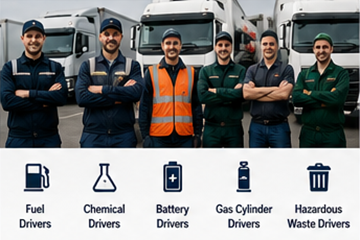
Drivers transporting dangerous goods above exemption thresholds generally require ADR certification.
- Fuel transport drivers
- Chemical transport drivers
- Battery transport drivers
- Gas cylinder transport drivers
- Hazardous waste drivers
- Industrial dangerous goods carriers
ADR training requirements depend on transport type, cargo category, and transported quantities.
ADR Vehicle Equipment Requirements
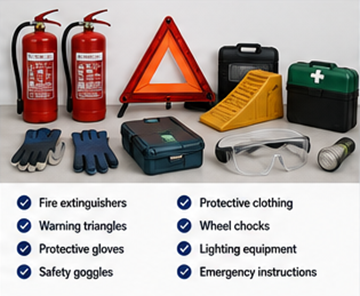
ADR vehicles often require mandatory safety equipment depending on dangerous goods classification and vehicle category.
- Fire extinguishers
- Warning triangles
- Protective gloves
- Safety goggles
- Protective clothing
- Wheel chocks
- Portable lighting equipment
- Emergency instructions
ADR Orange Plates and Vehicle Markings
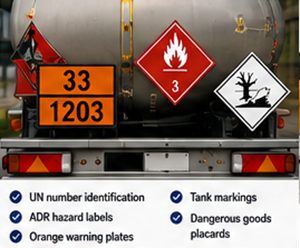
Vehicles transporting dangerous goods may require orange warning plates and hazard labels identifying transported substances.
- UN number identification
- ADR hazard labels
- Orange warning plates
- Tank markings
- Dangerous goods placards
These markings help emergency responders and inspectors quickly identify hazardous cargo.
ADR Transport Documents for Drivers
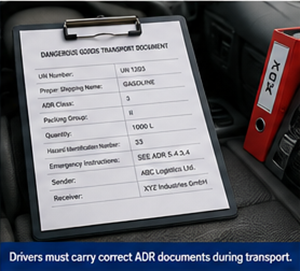
ADR drivers must often carry dangerous goods transport documentation during transport operations.
- UN number
- Official transport name
- ADR class
- Packing group
- Quantity information
- Emergency instructions
- Sender and receiver details
ADR Roadside Inspections
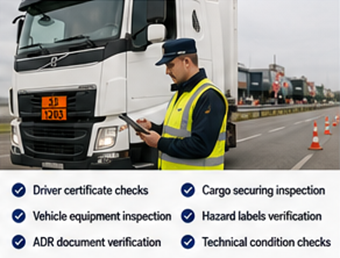
Transport authorities regularly inspect dangerous goods vehicles and drivers throughout Europe.
- Driver certificate checks
- Vehicle equipment inspections
- ADR document verification
- Cargo securing inspections
- Dangerous goods labels verification
- Vehicle technical condition checks
Violations may result in fines, shipment delays, transport bans, or vehicle immobilization.
ADR Exemptions for Small Loads
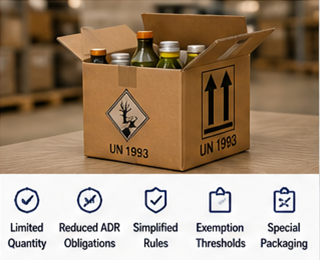
Some dangerous goods shipments qualify for limited quantity or small load exemptions under ADR regulations.
These exemptions may reduce documentation, labeling, or driver certification requirements depending on transported quantities.
- Limited quantity transport
- Reduced ADR obligations
- Simplified transport rules
- Special packaging conditions
- Exemption thresholds
ADR Tanker Vehicle Requirements
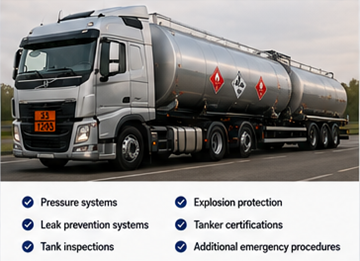
ADR tanker vehicles transporting liquids, fuels, chemicals, or gases must comply with specialized technical safety standards.
- Pressure systems
- Leak prevention systems
- Tank inspections
- Explosion protection
- Specialized tanker certifications
- Additional emergency procedures
Conclusion
ADR requirements for trucks, vans, and drivers are essential for maintaining transport safety throughout Europe. Proper training, equipment, documentation, and vehicle compliance help reduce accidents, improve emergency response, and ensure legal dangerous goods transport operations.
As dangerous goods logistics continues growing across Europe, ADR compliance will remain increasingly important for carriers, logistics companies, and professional drivers.
Frequently Asked Questions About ADR Requirements
Do all dangerous goods vehicles require ADR compliance?
Not always. Requirements depend on dangerous goods type, quantity, and applicable ADR exemptions.
Do van drivers need ADR certification?
Sometimes. Vans transporting dangerous goods above exemption thresholds may require ADR-certified drivers.
What equipment must ADR vehicles carry?
ADR vehicles may require fire extinguishers, warning triangles, protective gloves, goggles, wheel chocks, emergency instructions, and other safety equipment.
What are ADR orange plates?
ADR orange plates are warning signs displayed on dangerous goods vehicles to identify hazardous cargo.
Who needs ADR driver training?
Drivers transporting dangerous goods above certain thresholds generally require ADR training and certification.
What happens during an ADR roadside inspection?
Authorities may inspect driver certificates, ADR documents, vehicle equipment, cargo securing methods, and dangerous goods labels.
Where can companies find official ADR regulations?
Official ADR regulations are available through UNECE and European transport safety authorities.
eXus Dev