ADR Classes Explained: All Dangerous Goods Categories in Simple Terms
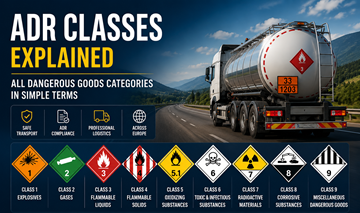
In this complete guide, we explain all ADR classes in simple terms, including examples, labels, transport risks, and common dangerous goods transported on European roads.
What Are ADR Classes?
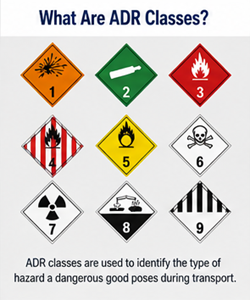
ADR classes are official categories used to classify dangerous goods according to the type of hazard they present during transport. Each dangerous substance belongs to a specific class depending on its physical and chemical properties.
The ADR classification system helps ensure that hazardous materials are transported safely and handled correctly throughout Europe.
- Identifies transport risks
- Determines packaging requirements
- Defines vehicle markings
- Helps emergency response teams
- Improves transport safety
- Supports international ADR compliance
ADR Class 1 – Explosives
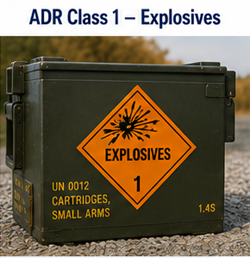
ADR Class 1 includes explosive substances and articles that can rapidly release gases and energy during a reaction. These materials present serious risks during transport and require strict safety controls.
- Fireworks
- Ammunition
- Detonators
- Explosive chemicals
- Military explosives
Explosives are divided into additional subclasses depending on explosion risk and transport behavior.
ADR Class 2 – Gases
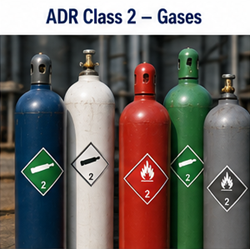
ADR Class 2 covers compressed, liquefied, dissolved, and refrigerated gases. These materials may be flammable, toxic, or under high pressure.
- Propane
- Butane
- Oxygen cylinders
- Helium
- Industrial gases
- Refrigerated gases
Gas transport requires proper cylinder handling, pressure control, and ventilation measures.
ADR Class 3 – Flammable Liquids
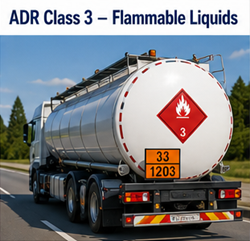
Class 3 includes liquids that can easily ignite during transport. This is one of the most common ADR categories used in logistics operations.
- Gasoline
- Diesel
- Paints
- Solvents
- Alcohol
- Industrial chemicals
Flammable liquids require careful temperature management, secure packaging, and fire prevention procedures.
ADR Class 4 – Flammable Solids
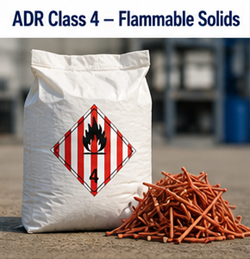
ADR Class 4 includes substances that may ignite through friction, heat, moisture, or spontaneous chemical reactions.
- Matches
- Sulfur
- Metal powders
- Self-reactive substances
- Certain industrial chemicals
These products must be protected from heat, sparks, and incompatible substances during transport.
ADR Class 5 – Oxidizing Substances and Organic Peroxides
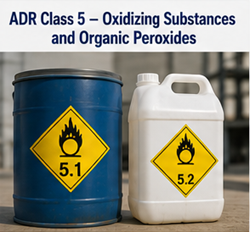
Class 5 substances can intensify fires or create dangerous reactions when combined with other materials.
- Hydrogen peroxide
- Ammonium nitrate
- Industrial oxidizers
- Chemical bleaching agents
Organic peroxides are especially sensitive to temperature and contamination.
ADR Class 6 – Toxic and Infectious Substances
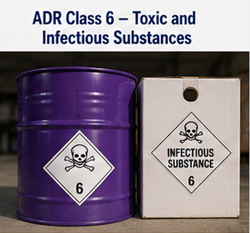
ADR Class 6 includes poisonous substances and infectious materials that may harm humans, animals, or the environment.
- Pesticides
- Medical waste
- Biological samples
- Toxic chemicals
- Laboratory substances
Strict containment and emergency procedures are required for these materials.
ADR Class 7 – Radioactive Materials
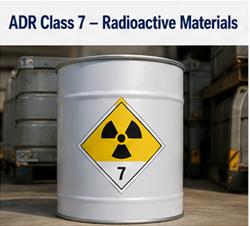
Class 7 covers radioactive materials used in medical, industrial, scientific, and energy sectors.
- Medical isotopes
- Research materials
- Industrial radioactive equipment
- Nuclear industry products
These shipments require specialized containers, radiation controls, and highly regulated transport procedures.
ADR Class 8 – Corrosive Substances
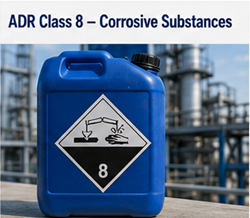
Class 8 substances can damage metals, skin, equipment, and infrastructure through chemical reactions.
- Sulfuric acid
- Hydrochloric acid
- Battery acid
- Industrial cleaning chemicals
- Corrosive liquids
Corrosive materials require leak-proof packaging and protective handling procedures.
ADR Class 9 – Miscellaneous Dangerous Goods
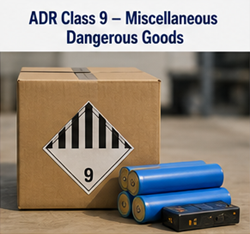
ADR Class 9 includes dangerous substances that do not fit into other hazard categories but still present transport risks.
- Lithium batteries
- Environmentally hazardous substances
- Dry ice
- Airbags
- Magnetized materials
Lithium battery transport has become one of the fastest-growing ADR logistics sectors in Europe.
ADR Labels and Hazard Symbols
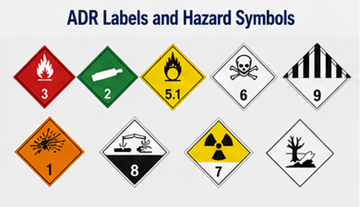
Each ADR class uses standardized hazard labels and warning signs that help identify dangerous goods during transport.
- Flame symbols
- Gas cylinder icons
- Corrosive warning labels
- Radioactive symbols
- Explosive hazard signs
- Environmental hazard labels
These labels are internationally recognized and essential for emergency response and safety compliance.
Why ADR Classification Is Important
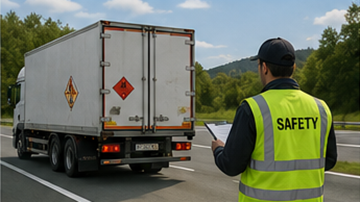
Correct ADR classification is essential for transport safety, legal compliance, and efficient logistics management.
- Improves road safety
- Protects drivers and employees
- Prevents dangerous reactions
- Supports emergency response
- Reduces legal risks
- Improves transport planning
Incorrect classification can result in heavy penalties, transport delays, accidents, and environmental damage.
ADR Transport Operations in Europe
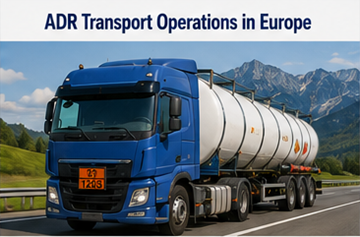
ADR regulations are used throughout Europe and play a critical role in international logistics and dangerous goods transport.
Professional carriers and logistics companies must ensure that dangerous goods are correctly classified, packaged, labeled, documented, and transported according to ADR rules.
- International dangerous goods transport
- Cross-border logistics operations
- ADR-compliant transport vehicles
- Certified ADR drivers
- Professional safety procedures
Conclusion
ADR classes help identify and manage the risks associated with dangerous goods transport across Europe. From flammable liquids and gases to lithium batteries and corrosive chemicals, each ADR class has specific safety and transport requirements.
Understanding ADR classification improves transport safety, reduces operational risks, and helps businesses comply with European dangerous goods regulations.
Frequently Asked Questions About ADR Classes
How many ADR classes are there?
There are 9 main ADR classes used to classify dangerous goods according to their transport hazards.
What is ADR Class 3?
ADR Class 3 includes flammable liquids such as gasoline, diesel, paints, and solvents.
Which ADR class includes lithium batteries?
Lithium batteries are generally classified under ADR Class 9 miscellaneous dangerous goods.
Why are ADR labels important?
ADR labels help identify transport hazards quickly and support emergency response procedures during accidents or inspections.
Do all dangerous goods require ADR transport?
Many dangerous goods require ADR compliance, but some limited quantity exemptions may apply depending on the material and transport volume.
Can vans transport ADR goods?
Yes. Vans can transport dangerous goods if ADR requirements, quantity limits, labeling, and safety rules are respected.
What happens if ADR goods are classified incorrectly?
Incorrect classification can create safety risks and may lead to fines, shipment delays, legal problems, and transport violations.
eXus Dev